







Search Results for: 520 marketing

Luckin Coffee teams up with Wutiaoren to warm up for 520, as the return of Green Grape Latte aligns with the theme of "A Zhen Falls in Love with A Qiang"
Luckin Coffee recently officially announced a collaboration with a band whose name contains "five," with the mystery to be revealed on May 8, sparking enthusiastic speculation among netizens. Mayday, Wu Bai, Maroon 5, and others were nominated, but based on clues and Reuters information, Wutiaoren is the most likely. It is reported that Green Grape Latte will also return to warm up for the 520 confession day. Wutiaoren's representative song "A Zhen Fell in Love with A Qiang" is highly compatible with the event theme, and the sunglasses detail in the poster also points to the band's guitarist. Previously, during the anniversary celebration of Coconut Latte, Luckin invited the Shanghai Rainbow Chamber Singers to adapt a birthday song. Whether there will be a new version this time is eagerly anticipated. This article sorts out the collaboration clues and product information for coffee lovers' reference. [more…]

Guming's 520 livestream coupon giveaway was hit by forced refunds, a system glitch forced the campaign to be halted, marking the third PR crisis within 2022.
520 was a great opportunity for merchants to promote sales through livestreams, yet Good Tea's Douyin livestream room sparked widespread consumer dissatisfaction after orders were automatically refunded by the system following a rush to grab coupons, and the topic quickly trended on Weibo. Although the company issued an apology and promised compensation, many netizens still said they were not buying it. The next day's livestream had to be postponed, and the system recovered slowly. Notably, this was already Good Tea's third brand trust crisis in 2022, after earlier exposures and penalties over food safety and tax evasion. Consumers are still waiting for a satisfactory answer on how the incident will develop further. [more…]

Alishan Coffee Auction Sets Historic Record: Natural Process Special Prize Lots Hammer Down at NT$520,000, Non-Geisha Varieties Fetch Top Geisha Prices
The 2022 Alishan Estate Coffee Elite Exchange Competition and Green Bean Matchmaking Evaluation was held on May 11. Competing beans were divided into four groups by processing method: washed, natural, honey, and Geisha. Participants had to submit parchment and green beans, which the organizers uniformly roasted, and then 15 CQI-certified Q-Graders conducted sensory evaluations using the SCA cupping form. Only beans scoring 80 or above could participate in the auction. In the auction the next day, the special prize in the natural group, Zouzhuyuan Coffee Beans, started bidding at NT$60,000 and soared all the way to NT$520,000/5kg, won by the Lion Group, setting a new record for Taiwanese coffee bean auctions. Notably, these beans were not of the Geisha variety, yet they fetched a top-tier Geisha price, while the special prize in the Geisha group was only NT$320,000. This article takes you through the ins and outs of this sky-high bidding and analyzes the industrial logic behind the rise of Taiwan's local coffee. [more…]
Frequent Volcanic Eruptions in Indonesia Combined with Drought Shocks the Coffee Industry, Sumatra Robusta Premiums Continue to Climb
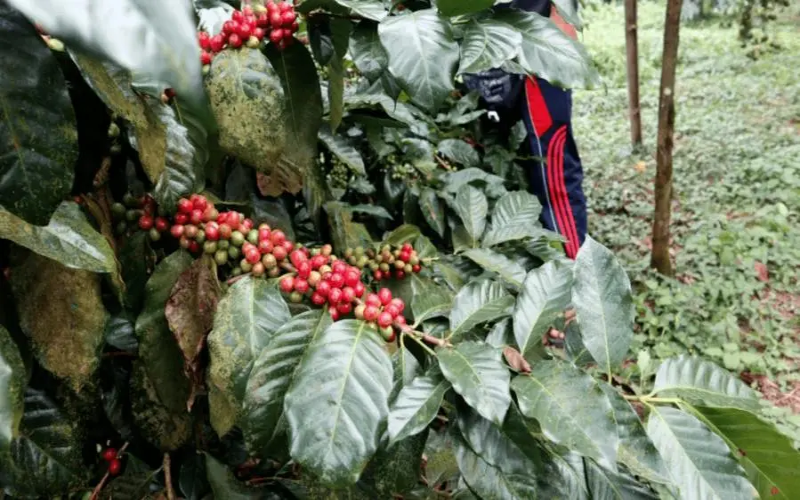
Recently, robusta coffee prices have continued to run at high levels, driven both by the Red Sea crisis pushing up shipping costs and by El Niño weather causing production declines in many countries. As an important producing region, Indonesia has seen its Sumatra robusta premium widen from an earlier 450 USD to 500-520 USD this week. At the same time, the country is facing multiple pressures, including frequent volcanic eruptions, drying river basins, high fertilizer prices, and soil degradation, and industry insiders worry that coffee-growing areas will be further affected. This article reviews the challenges and price trends currently facing Indonesia's coffee industry, and brings Front Street Coffee's continued attention to developments in the producing region. [more…]
Cold Brew Coffee Recipe and Coffee Bean Recommendations | How Beginners Can Make Cold Brew at Home: Grind Size, Water Temperature, Time, and Ratio for Cold Brew
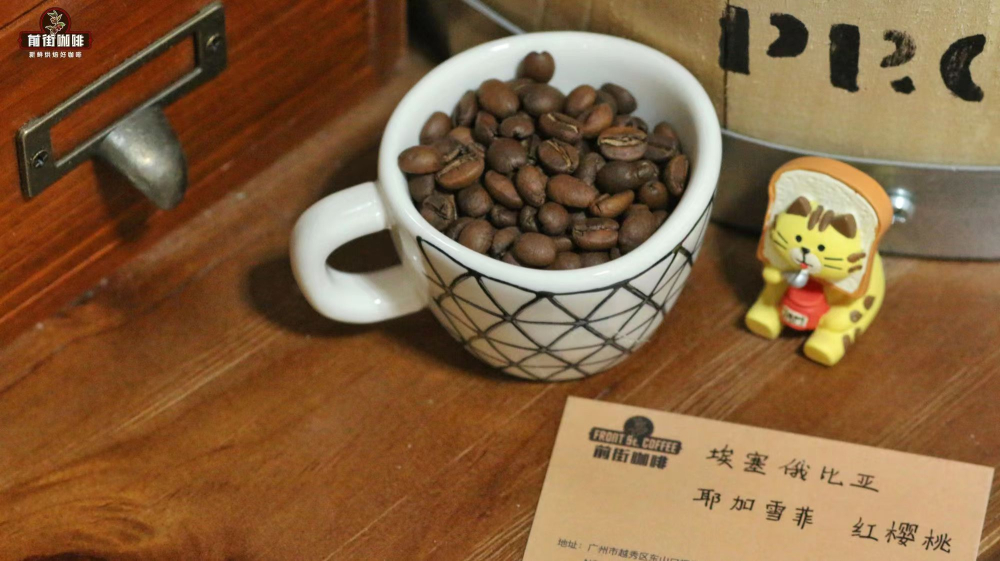
What is cold brew coffee? Cold brew coffee is Cold Brew Coffee, also known as cold-brewed coffee, ice-brewed coffee, or cold-brewed coffee. Put the ground coffee powder into room-temperature water, soak and extract for 12 hours, then filter out the coffee grounds, and the coffee liquid obtained is cold brew coffee. Cold brew coffee [more…]

Cold Brew Coffee at Home: A Complete Guide to Coffee-to-Water Ratio, Grind Size, and Steeping Time
Want to easily make a smooth, rich cold brew coffee at home? This article will walk you through the definition and characteristics of cold brew coffee, and share in detail Front Street Coffee's coffee-to-water ratio, grind size, steeping time, and filtering and storage methods. It also covers the origin story of cold brew coffee and recommended beans suitable for making it, including Honduras Sherry, Lychee Orchid, Yirgacheffe, and more. Whether you find pour-over too much trouble or want to try an iced coffee with less bitterness, this guide will help you get it right the first time. [more…]
What exactly is cold brew coffee? From its origins to its making, one article to fully understand the difference between cold brew and iced coffee
Cold Brew Coffee, also referred to by some as cold-brewed coffee, ice-brewed coffee, or cold-steeped coffee. It involves putting ground coffee into room-temperature water, steeping and extracting for as long as 12 hours, then filtering out the coffee grounds; the resulting coffee liquid is cold brew, and it is also the most common type of iced coffee. Why is cold brew so well loved? It requires no pouring technique and has no water temperature requirements, making it practically a blessing for those who find pour-over coffee cumbersome. This article will comprehensively sort out every aspect of cold brew coffee, from its definition, historical origins, coffee bean selection, coffee-to-water ratio, grind size, to storage recommendations, and will also include Front Street's practical method to help you easily make a smooth, rich cup of iced coffee. [more…]

Cotti Coffee enters the Japanese market, and its low-price strategy sparks heated discussion in the coffee community and draws attention from entrepreneurs.
Since announcing its global strategy in August this year, Cotti Coffee has quickly opened two stores in Tokyo, Japan, drawing local consumer attention with opening promotional prices of 100-300 yen, and being dubbed by netizens as the "king of value for money." However, after the promotional period, prices will rise back to 500-650 yen, directly targeting well-known brands such as Starbucks. Japan's coffee market is fiercely competitive, with about 70,000 coffee shops nationwide. As a brand established only one year ago, why is Cotti in such a hurry to open stores in a mature market? Can its "Coffee Dreamer Program" and regional partner model help its overseas expansion? This article will provide an in-depth analysis of Cotti's international layout and the challenges it faces. [more…]

Tims China Launches Single-Store Franchise Model: First Batch in Beijing and Shanghai, High Thresholds Coexist with Loss Pressures
Tims China recently announced the launch of its "Partner Program," initially opening single-store franchising in Shanghai and Beijing, marking a shift in its franchising strategy from city-level franchising to a single-store model. However, the startup capital of over 600,000 yuan, its persistently loss-making financial performance, and the fiercely competitive market environment have sparked widespread discussion about this move. This article sorts through Tims' franchising details, cost structure, market background, and consumer feedback, exploring whether, amid intensifying competition in the coffee sector, opening single-store franchising is its "big move" to accelerate expansion or a reluctant response to difficult circumstances. [more…]

Tims Coffee officially adopts the Chinese name "Tims Tianhao Coffee", accelerating its deep cultivation of the Chinese market
Canada's national coffee brand Tim Hortons' operating entity in China, Tims Coffee, recently renamed its WeChat official account to "Tims Tianhao Coffee" — the first time the brand has adopted a Chinese name since entering the Chinese market. According to a report by CNR, Tims stated that introducing a Chinese name is aimed at better advancing its localization strategy, deepening its expansion in the Chinese market, and preparing for subsequent entry into lower-tier markets, with an official announcement expected by the end of this month or early next month. From the opening of its first store in Shanghai in 2019, to its Nasdaq listing in 2022, and now to the adoption of a Chinese name, Tims China has been accelerating its expansion every step of the way, with its store target adjusted from an initial 1,500 in ten years to 2,750 by 2026. This article will review Tims China's brand development history, financing and listing milestones, product and pricing positioning, latest financial report data, and store expansion plans, analyzing its determination and strategy for deeply cultivating the Chinese coffee market. [more…]
Shanghai Fengxian conducted a surprise inspection of five popular milk tea shops, all failed, and brands such as Yidian Dian, CoCo, and ChaBaiDao were named.
A trending topic about food safety in milk tea shops has sparked widespread concern: The Market Supervision Administration of Fengxian District, Shanghai, conducted surprise inspections of several well-known milk tea stores in Baolong Plaza, and the results showed that all five brands—Yidian Dian, ChaBaiDao, 7FenTian, CoCo, and XiongJi—had problems, involving incomplete health certificates, chaotic raw material management, and unsanitary operating environments. The incident quickly surpassed 500 million views, with netizens exclaiming, "I dare not drink it anymore." At the same time, the article also reviewed food safety cases in recent years involving Burger King, 85°C, IKEA, and others, reminding the food and beverage industry that it must strictly abide by operating standards. [more…]
Convenience Stores Enter the Specialty Coffee Game: 7-ELEVEN Launches Limited-Time Alishan Geisha, Three Price Points Spark Debate
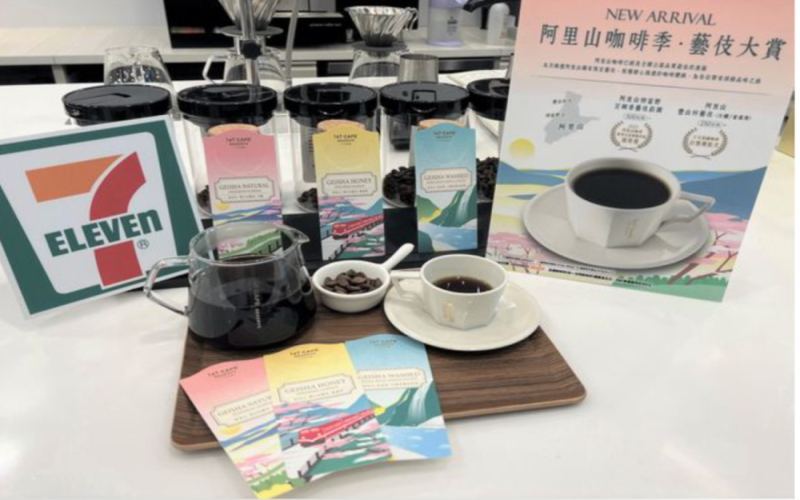
A convenience store selling Geisha—doesn't that sound a bit surprising? Taiwan region's 7-ELEVEN, operated by Uni-President Group, recently announced that it would offer a limited-time release of three Geisha coffees from Alishan at 18 stores with specialty coffee sections, priced at NT$250 to NT$500, equivalent to about 57 to 114 yuan. Once the news broke, discussions among netizens quickly heated up: some complained it was expensive, arguing that convenience store coffee should follow an affordable路线; others applauded, feeling this could make Geisha seem more approachable. This batch of beans comes from Fengshan Village in Alishan and the Doyuxiang Geisha Estate, the latter of which just won first prize in the Geisha category at this year's Alishan Coffee Estate Elite Exchange Competition. Is 7-ELEVEN's move an attempt to elevate its brand image, or a test of the convenience store coffee pricing system? This article takes you through the full backstory of the event and discusses the price and value of Geisha coffee. [more…]

A Complete Guide to Kenyan Coffee Flavors and Grading System: From the East African Highlands to the Thika Region
Kenya, as an important coffee-producing country in East Africa, is renowned for its multi-layered flavors and bright, juicy acidity. This article starts with the terrain and climatic conditions of the African highlands, sorts out the three major coffee-growing regions in Kenya, focuses on the geographical advantages of the central producing region Thika and the distribution of processing plants, and explains in detail Kenya's official green bean grading system AA+, AA, AB, PB, C, E, TT, and T, as well as the TOP, PLUS, and FAQ cupping grades added by exporters. The article also presents the flavor description of Front Street Coffee's coffee beans from the Asalia processing plant in the Thika producing region, helping coffee enthusiasts gain a comprehensive understanding of the unique charm of Kenyan coffee. [more…]

Kenya coffee | Introduction to Nyeri, Kirinyaga, Thika coffee growing areas.
The full name of Kenya is the Republic of Kenya, located in eastern Africa, crossed by the equator in the middle, adjacent to Somalia, Tanzania, Uganda, Ethiopia and South Sudan, bordering the Indian Ocean to the southeast, with a land area of 582,64 [more…]
Guatemala Antigua Washed Coffee Flavor Analysis: A Complete Overview of La Minita La Flor del Café Peaberry Taste and Origin Environment
Want to learn about the flavor characteristics of Guatemalan washed coffee beans? This article takes you deep into La Minita Estate, analyzing its unique geographical environment and microclimate, with a focus on introducing its star product—Flora Maragogipe. This bean comes from the Antigua region, uses a washed process, and features floral notes as its main theme, accompanied by a chocolate finish, caramel sweetness, and bright acidity. The article also covers information such as the estate's altitude, varieties, and strict control at the processing station, along with a little knowledge about pour-over schools. Front Street Coffee is always committed to sharing professional coffee content, and there are three low-discount events every month, allowing more people to taste high-quality coffee at affordable prices. [more…]

Homemade Iced Coffee | How to Easily Make Delicious Cold Brew Coffee? Can Cold Brew Be Extracted at Room Temperature? How Long Does Prepared Cold Brew Stay at Its Best?
For professional coffee knowledge exchange and more coffee bean information, please follow Coffee Workshop (WeChat official account: cafe_style). For more specialty coffee beans, please add our private WeChat: Front Street Coffee (FrontStreet Coffee), WeChat ID: qjcoffeex. Under the scorching weather [more…]
Ethiopia Granada Estate Geisha Coffee Beans: A Full Analysis of Origin Information, Natural Processing, and Grinding & Brewing
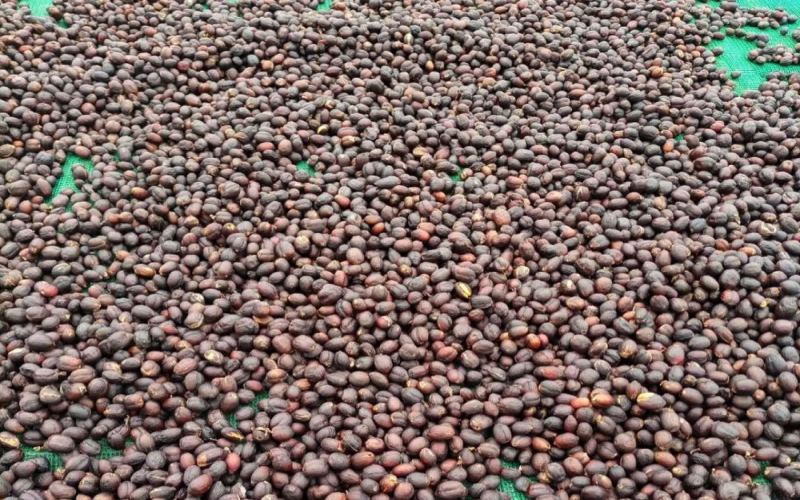
Ethiopia is the birthplace of coffee and one of the important producing regions of the Geisha variety. Unlike American producing countries such as Panama, Ethiopian coffee is mainly grown by smallholders, with complex varieties, mostly exported under the name "heirloom". This article focuses on Front Street's recommended Grana Estate Geisha, covering everything from the producing region background and processing station information to the sun-dried process and brewing methods. This coffee is grown at an altitude of 1,600 to 1,900 meters, uses sun-dried processing and a medium-light roast, and features aromas of perfume, red-fleshed dragon fruit, lime, and apricot, making it suitable for pour-over, cold brew, and other brewing methods. The article also includes cold brew steps and storage suggestions for coffee lovers' reference. [more…]

Kenya Asalia Coffee Beans: A Complete Analysis from Origin Terroir to Front Street Brewing Flavor
Kenya is a brilliant coffee gem in East Africa, where the equator, highland volcanic soil, and abundant sunshine together create its unique flavor genes. This article will give you a comprehensive understanding of Kenya's national overview, geography and climate, and coffee-producing regions, with a focus on the characteristics of well-known regions such as Nyeri, Kirinyaga, Murang'a, Kiambu, and Thika. It will also share the brewing performance and flavor experience of the Asalia coffee beans sourced by Front Street Coffee under K72 washed processing and medium-light roasting, making it suitable for every enthusiast who wants to gain a deeper understanding of Kenyan coffee. [more…]
Analysis of the Acidity in Ethiopian Yirgacheffe Coffee and a Guide to Hand-Brewing and Cold Brewing Washed Beans from the Konga Cooperative
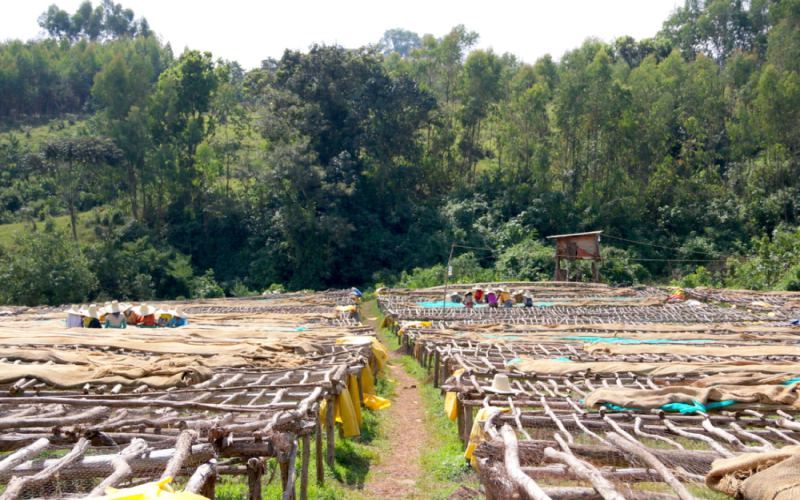
African coffee is renowned for its floral aroma and fruity acidity, and Ethiopia's Yirgacheffe is the classic representative of this flavor profile. The small town of Yirgacheffe is located in a high-altitude region, where coffee trees are mostly planted on highlands approaching 2,000 meters, reaching up to around 2,100 meters at the highest points. The exceptional moisture and climate conditions nurture a unique floral and fruity aroma. Unlike many countries that adopt the estate model, Ethiopian coffee is mostly grown by individual smallholder farmers and then sent to cooperatives for centralized processing. Front Street Coffee's Gudingding Cooperative is one such representative. This article will guide you through the regional characteristics of Yirgacheffe, the background of the Gudingding Cooperative, and information about Front Street Coffee's washed Yirgacheffe coffee beans along with cold brew preparation steps, suitable for pour-over, cold brew, and various other brewing methods. [more…]

Making Cold Brew Coffee at Home in Summer: A Full Guide to Bean Selection and Simple Brewing Methods
On a scorching summer day, a glass of refreshing cold brew coffee is a favorite among many coffee lovers. Compared with iced pour-over, cold drip, or iced Americano, cold brew has a lower barrier to entry and can be easily made at home. This article starts with the extraction principles of cold brew, explains why light-to-medium roast coffee beans are more suitable for cold water immersion, and recommends a variety of Front Street Coffee beans, covering different flavor directions such as floral, berry, citrus, and creamy. It then breaks down in detail the coffee-to-water ratio, grind size, steeping time, and filtration steps, and answers common questions such as whether extraction can be done at room temperature and how long it can be stored refrigerated, so you can consistently make clean, full-bodied iced coffee at home. [more…]